
Modern homeowners are increasingly focused on creating comfortable, energy-efficient living spaces. One technology that has gained attention in recent years is the Energy Recovery Ventilator (ERV). As homes become more tightly sealed to prevent energy loss, maintaining healthy indoor air quality becomes more challenging.
ERV systems provide an effective solution by delivering fresh air while minimizing energy waste. Understanding how these systems work and why they matter can help homeowners make smarter decisions about their home’s comfort and efficiency.
How Do ERV Systems Work?
At its core, an Energy Recovery Ventilator is a mechanical ventilation system designed to exchange stale indoor air with fresh outdoor air while recovering energy in the process. In a typical home without mechanical ventilation, air exchange happens through leaks in walls, windows, and doors. While this may allow some fresh air inside, it is inconsistent and often inefficient. An ERV provides controlled ventilation, ensuring a steady supply of fresh air without compromising the home’s energy performance.
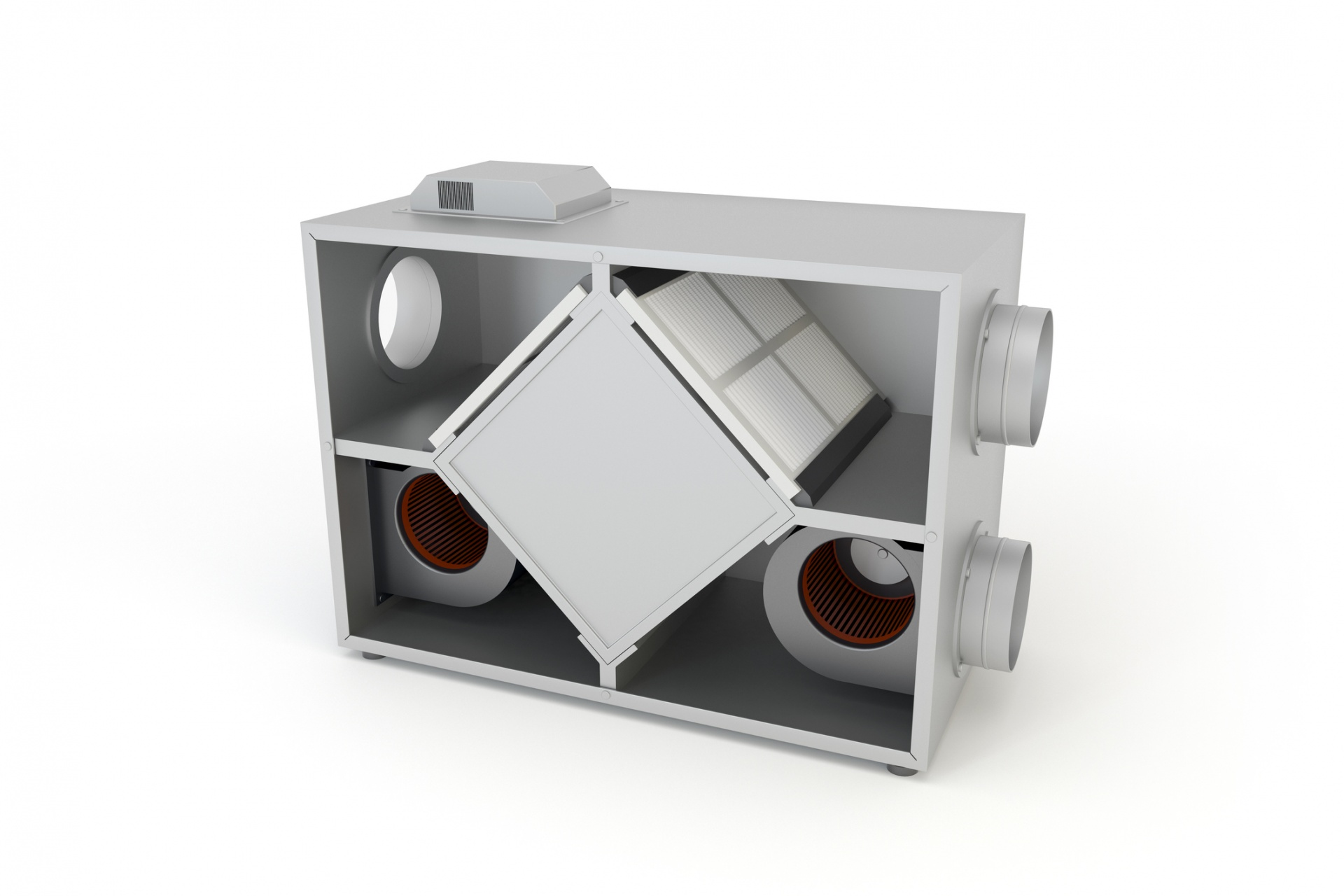
An ERV works through a heat-exchange core that allows two air streams to pass by each other without mixing. One stream pulls stale air from inside the home and exhausts it outdoors. At the same time, the other stream draws fresh outdoor air into the home. As these air streams pass through the core, heat and moisture are transferred from the outgoing air to the incoming air (or vice versa, depending on the season). In winter, the system captures warmth from the air leaving the house and uses it to temper the cold incoming air. In summer, it helps remove excess humidity and heat from the air being brought inside. This energy exchange helps maintain indoor comfort while reducing the burden on heating and cooling systems.
An Extremely Effective Air Quality System
One of the biggest advantages of an ERV is improved indoor air quality. Everyday activities like cooking, cleaning, and even breathing release moisture, odors, and pollutants into the air. Without proper ventilation, these contaminants can accumulate and negatively affect the health and comfort of a home’s occupants. ERV systems continuously remove stale air and replace it with filtered fresh air, helping to reduce allergens, humidity, and indoor pollutants.
Energy efficiency is another major advantage. Because ERVs transfer heat and moisture between air streams, they significantly reduce the amount of energy required to heat or cool incoming air. This means that HVAC systems don’t have to work as hard to maintain comfortable temperatures. Over time, this can lead to lower energy bills and reduced wear and tear on heating and cooling equipment.
ERV systems are particularly valuable in modern high-performance homes. Newer construction techniques focus on tighter building envelopes to prevent energy loss, but these airtight designs can trap stale air inside. Installing an ERV ensures that homeowners can enjoy both energy efficiency and healthy ventilation without sacrificing one for the other.
In today’s energy-conscious world, an Energy Recovery Ventilator is more than just a ventilation device—it’s an investment in comfort, efficiency, and indoor health. By balancing fresh air with energy conservation, ERV systems play a vital role in creating homes that are both sustainable and comfortable year-round.
Schedule an ERV installation with the experts at Comfort Tech Heating & Cooling!