
For many years, heat pumps had a reputation for struggling in colder climates. Homeowners in regions that experience all four seasons—especially ours with long, harsh winters—often believed heat pumps simply weren’t up to the task. Older systems tended to lose efficiency when temperatures dropped below freezing, forcing homes to rely heavily on backup heating sources.
Fortunately, modern heat pump technology has come a long way. Today’s cold-weather heat pumps are specifically designed to operate efficiently in freezing conditions. With major advancements in compressor technology, refrigerants, and system design, these systems can now deliver reliable heat even during brutal winter weather.
How Heat Pumps Work in Cold Temperatures
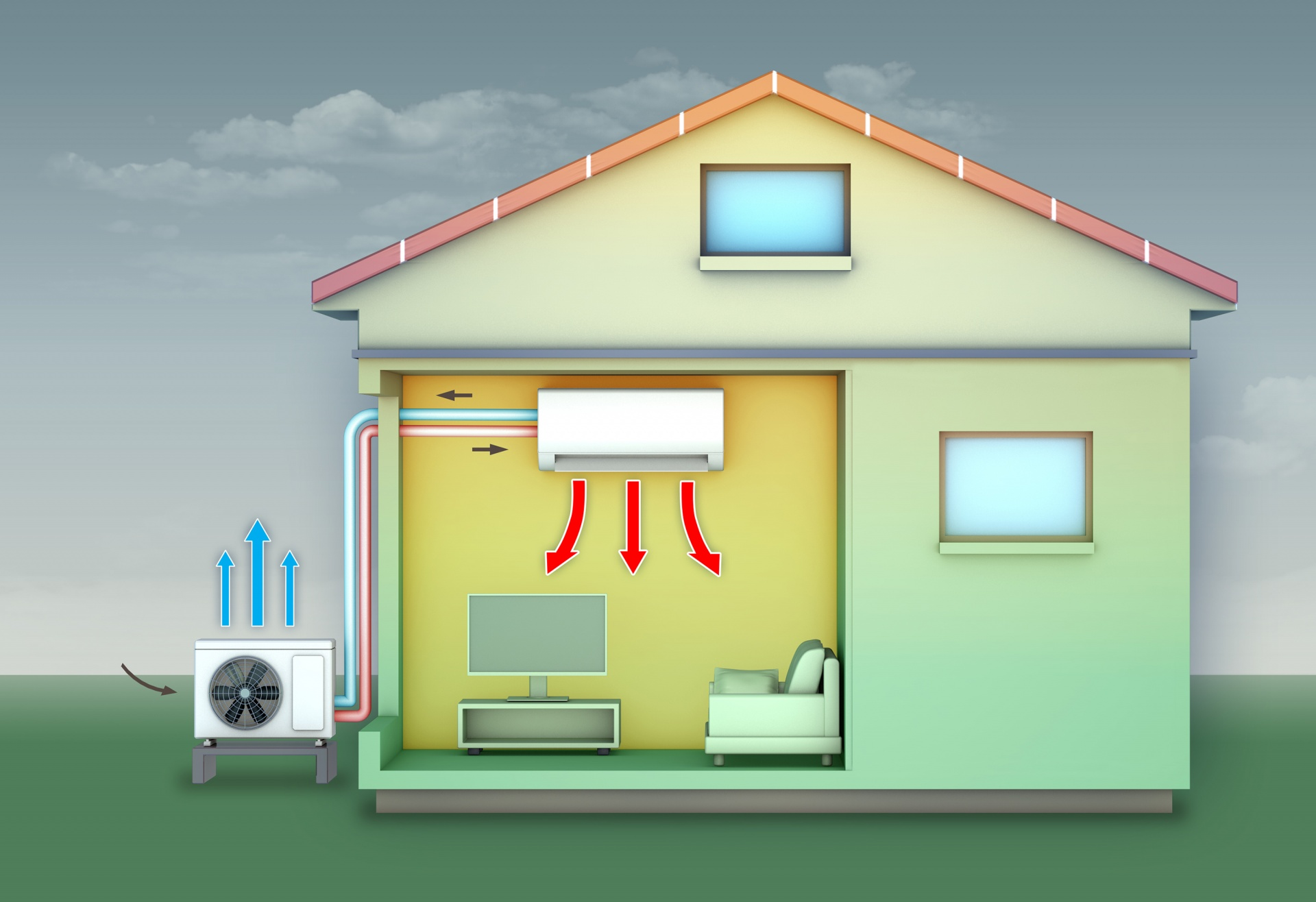
A heat pump works differently from traditional heating systems. Instead of burning fuel to create heat, it transfers heat from one place to another. In the winter, the system pulls heat energy from the outdoor air and moves it indoors to warm the home.
Even when it feels extremely cold outside, the air still contains usable heat energy. Older heat pumps struggled to capture enough of that energy when temperatures dropped too low. Today’s cold climate models, however, are built to continue extracting heat even in sub-freezing conditions.
Many modern systems can operate efficiently in extremely low temperatures, making them a reliable heating option for homeowners in colder regions.
Advanced Technology Makes the Difference
One of the biggest breakthroughs in heat pump performance is the use of variable-speed inverter compressors. Unlike older systems that simply turned on and off, inverter technology allows the system to adjust its output based on the home’s heating needs.
This allows the heat pump to run continuously at lower speeds, maintaining steady temperatures without the constant cycling that older systems relied on. The result is more consistent comfort, quieter operation, and improved energy efficiency.
Modern cold-weather heat pumps also use advanced refrigerants and enhanced heat exchanger designs that help them pull more heat from cold outdoor air. They also often run defrost modes that help use the interior heat to keep the system efficient, when the outdoor components start freezing up.
Perfect for Homes That Experience All Four Seasons
One of the biggest advantages of heat pumps is their versatility. A cold-weather heat pump doesn’t just heat your home—it also provides cooling during the summer.
In warm weather, the system simply reverses its operation, removing heat from inside the home and releasing it outdoors. This means homeowners can rely on a single system to stay comfortable all year long.
For regions like ours that experience hot summers, chilly fall nights, freezing winters, and mild spring weather, heat pumps offer a flexible and efficient solution for year-round comfort.
Efficiency That Saves Energy
Because heat pumps transfer heat rather than generate it, they are incredibly energy efficient. In many cases, a heat pump can deliver three times more heating energy than the electricity it consumes.
That efficiency can translate into lower energy bills and reduced strain on your home’s HVAC system. Some homeowners also pair heat pumps with a furnace or backup heating source, allowing the heat pump to handle most of the heating load while the backup system kicks in during extreme cold snaps.
Reliable Comfort All Winter Long
Perhaps the biggest improvement in modern heat pumps is the level of comfort they provide. Instead of blasting hot air in short cycles like traditional systems, heat pumps deliver steady, consistent warmth throughout the home.
Cold winters are unavoidable in many parts of the country, but heating technology has evolved significantly. With today’s advanced cold weather heat pumps, homeowners can enjoy reliable heating, improved energy efficiency, and year-round comfort—even during the toughest winter conditions.
Schedule a comfort consultation with the experts at Comfort Tech Heating & Cooling!